Kenya’s
Untamed Adventure
Guided motorbike expeditions
We run only a handful of expeditions per year, by design. Each ride is meticulously curated to take you through Kenya's most breathtaking and inaccessible terrain, far from the beaten path.
Ride through private conservancies, restricted zones, and landscapes no tourist bus will ever reach.
Mechanic and doctor on every ride, support vehicle, and all logistics handled for you.
Full board throughout. Handpicked accommodation, all meals, nothing to arrange yourself.
Maximum 8 riders per expedition. Intimate, authentic, and truly personal.
Two rides on the calendar for 2027. Spots are limited and they go fast.
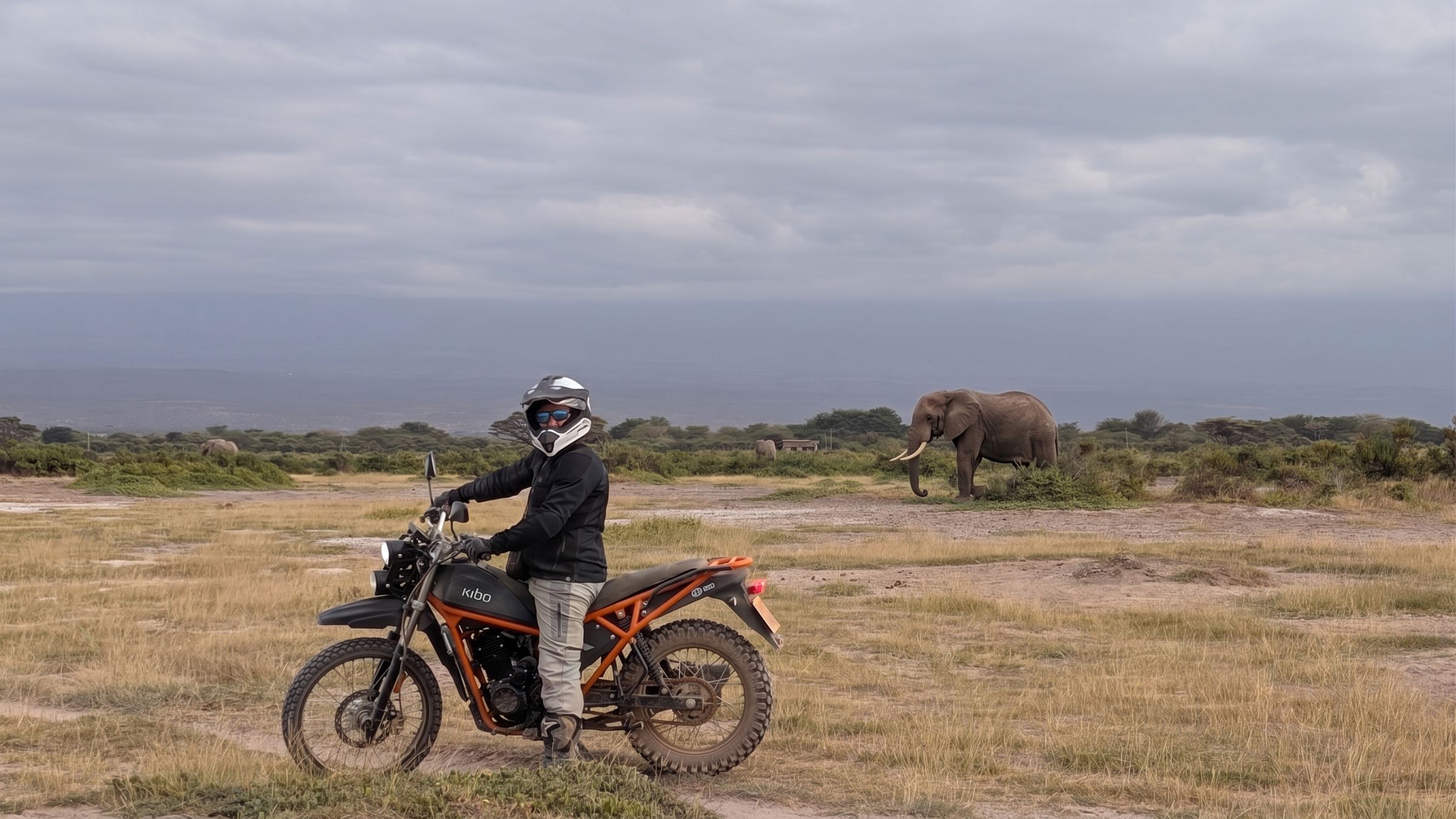
12 – 19 June 2027 · 6 riding days, 7 nights · Max 8 riders
€2,785 / £2,395* per rider
*Kibo 250cc, twin room. Upgrades available.
View the Safari Loop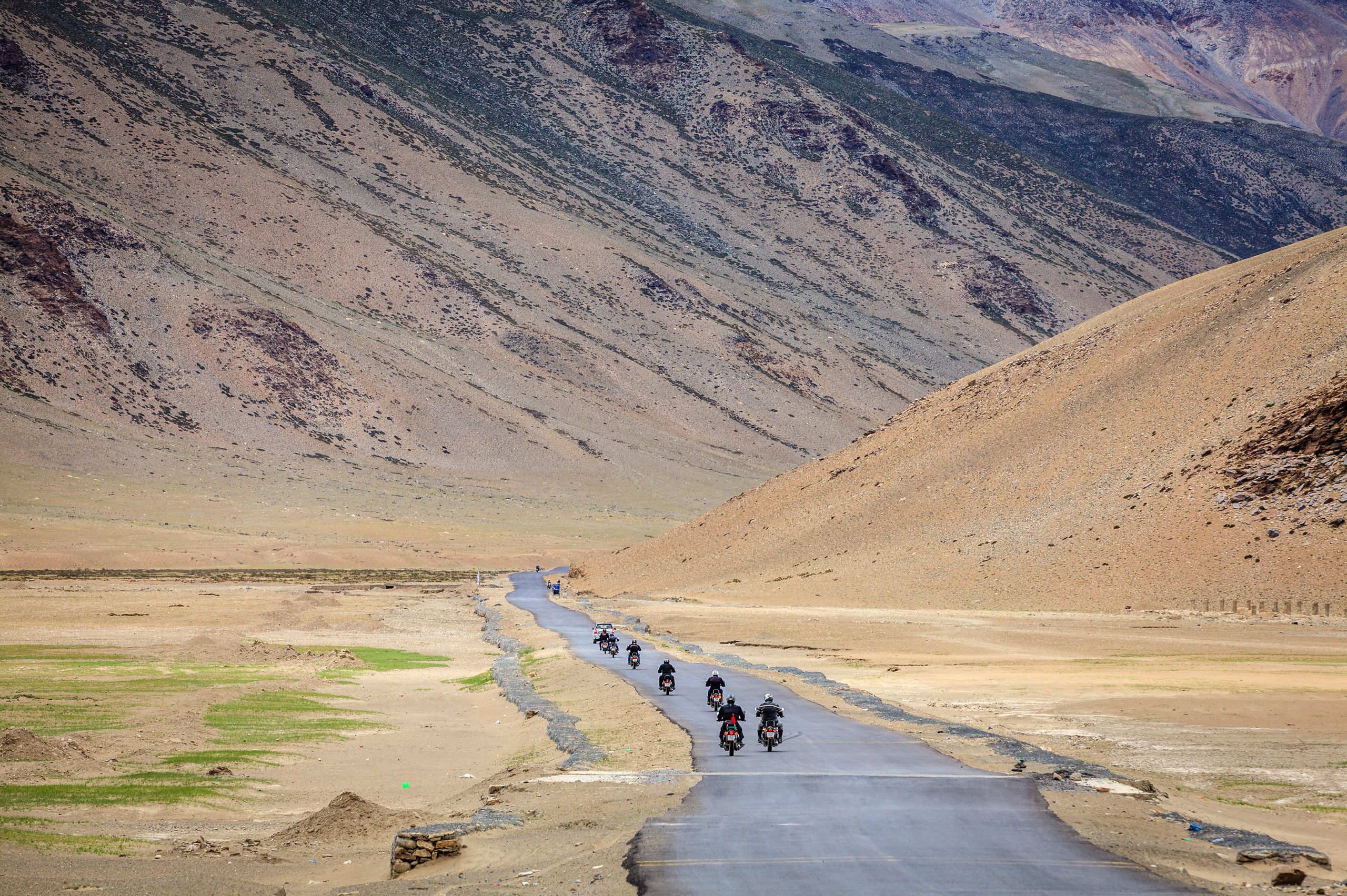
September 2027 · 9 riding days, 11 nights · Max 9 riders
10% early bird€3,450 / £2,920€3,105 / £2,628* per riderOnly until 31 December 2026
*Early bird price, book before 31 December 2026. Full price applies from 1 January. Himalaya 450cc, twin room. Upgrades available.
View the India Edition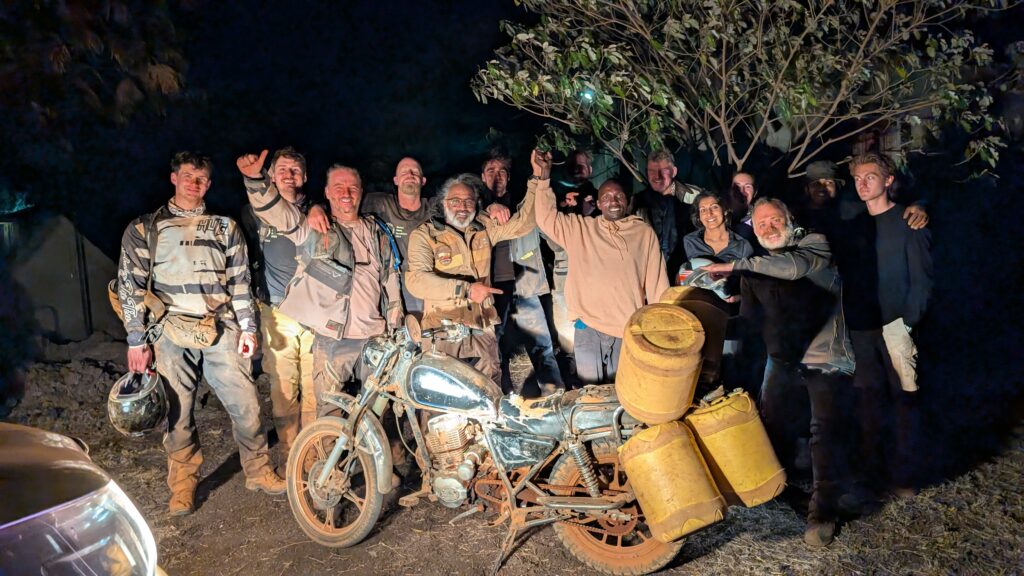
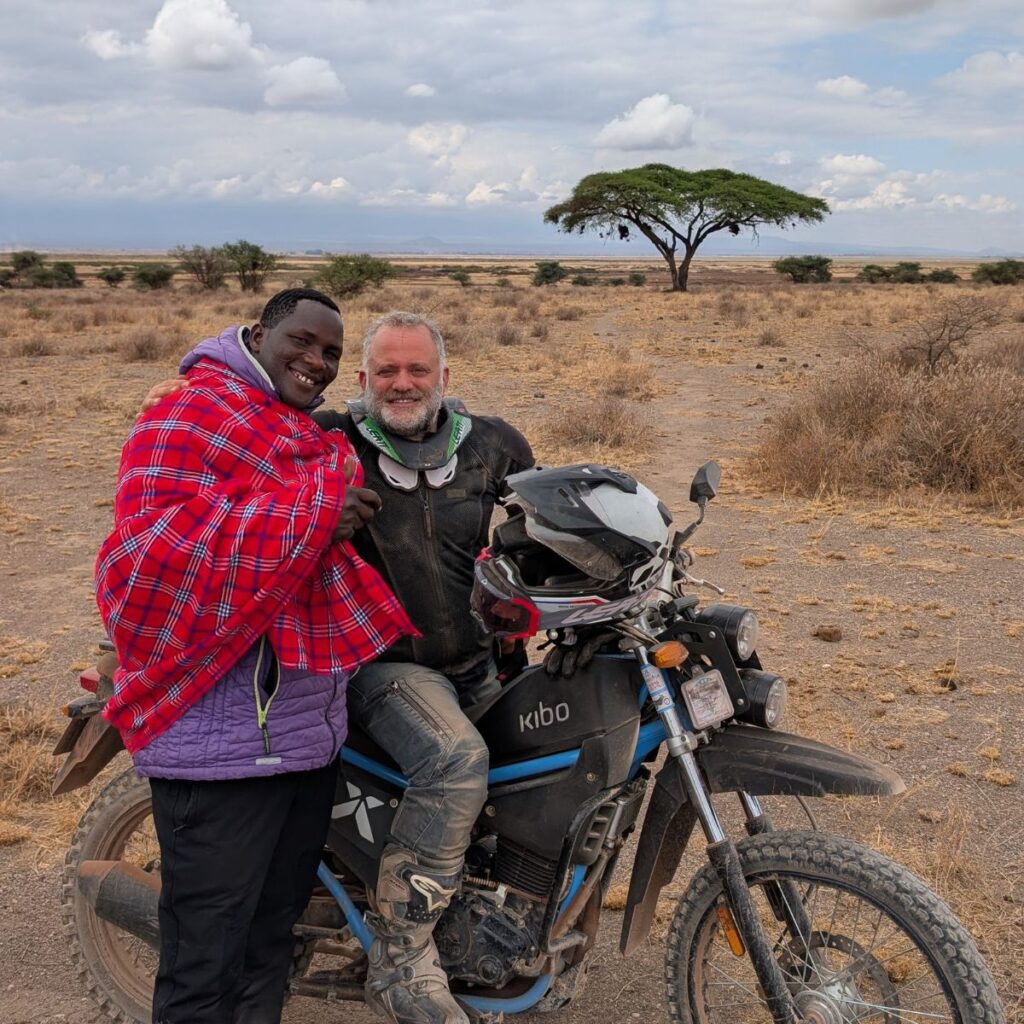
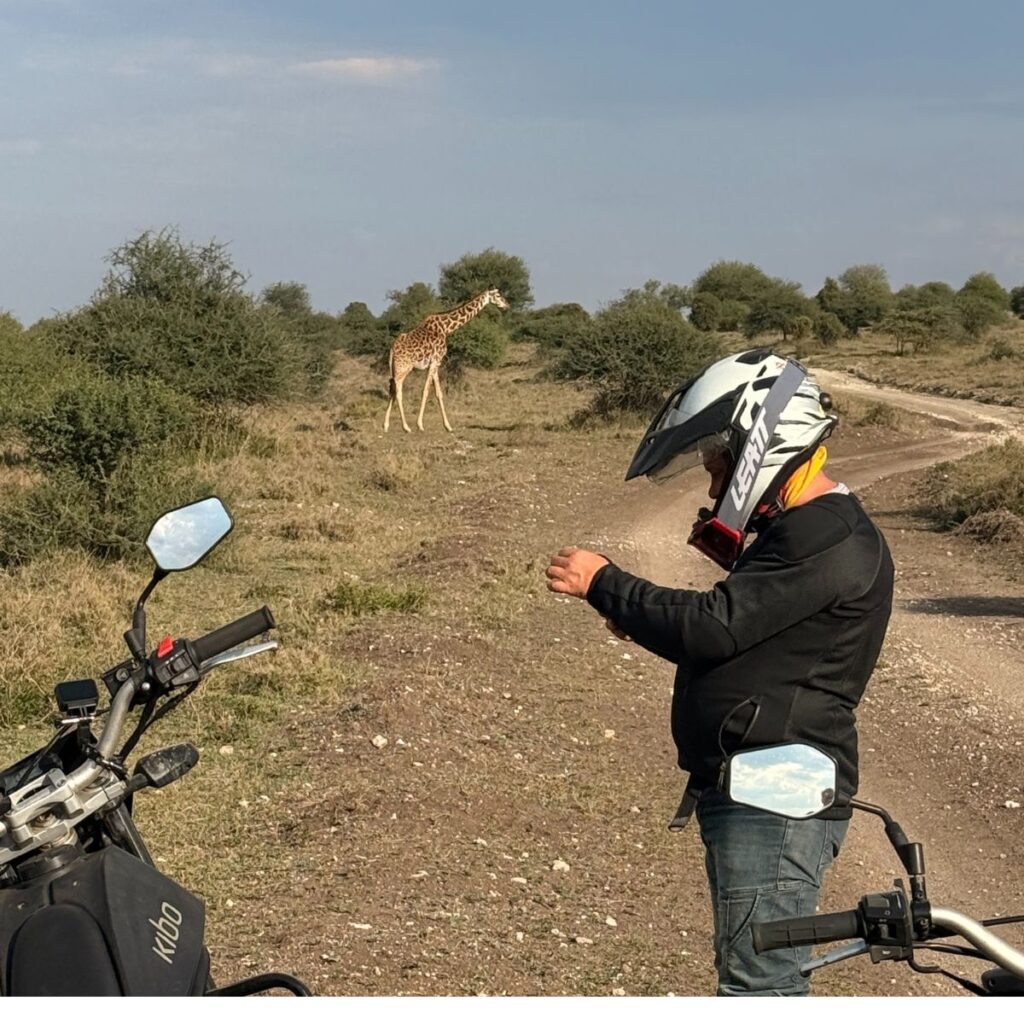
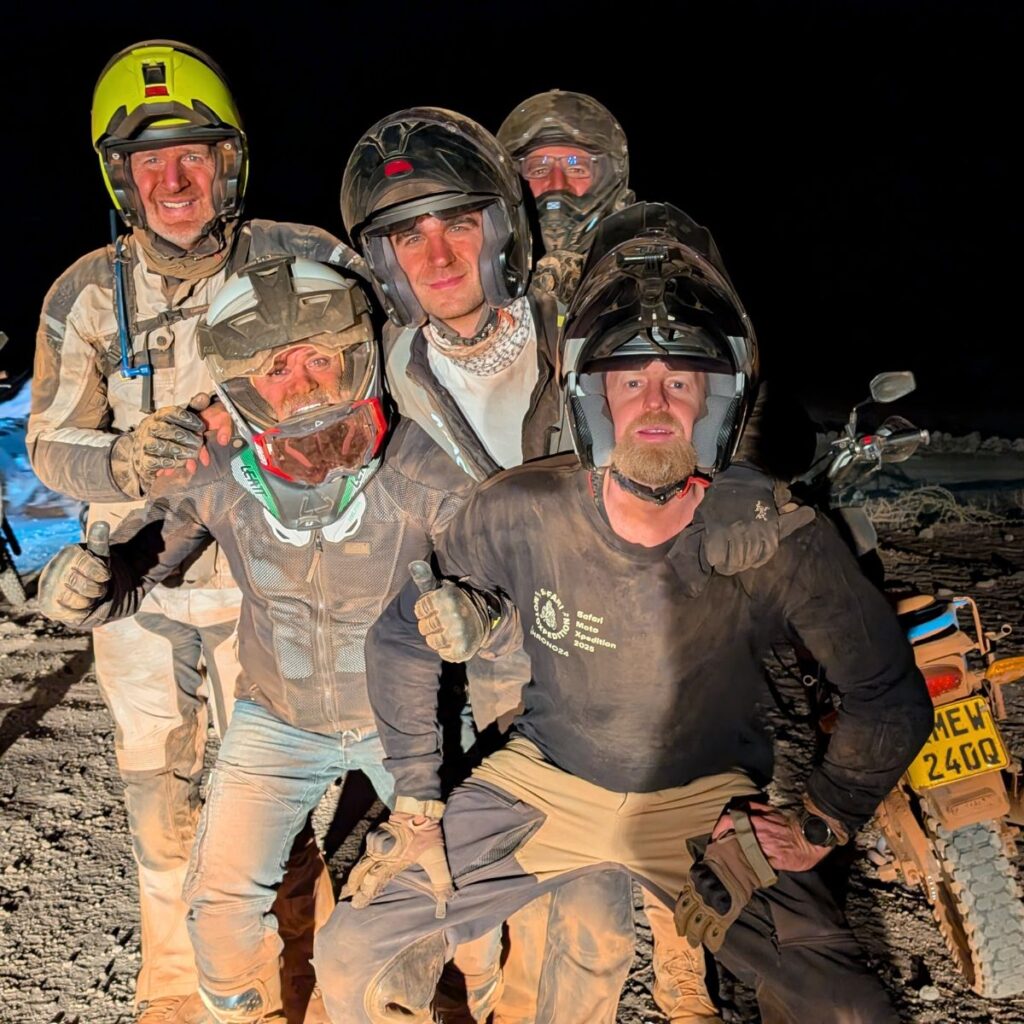
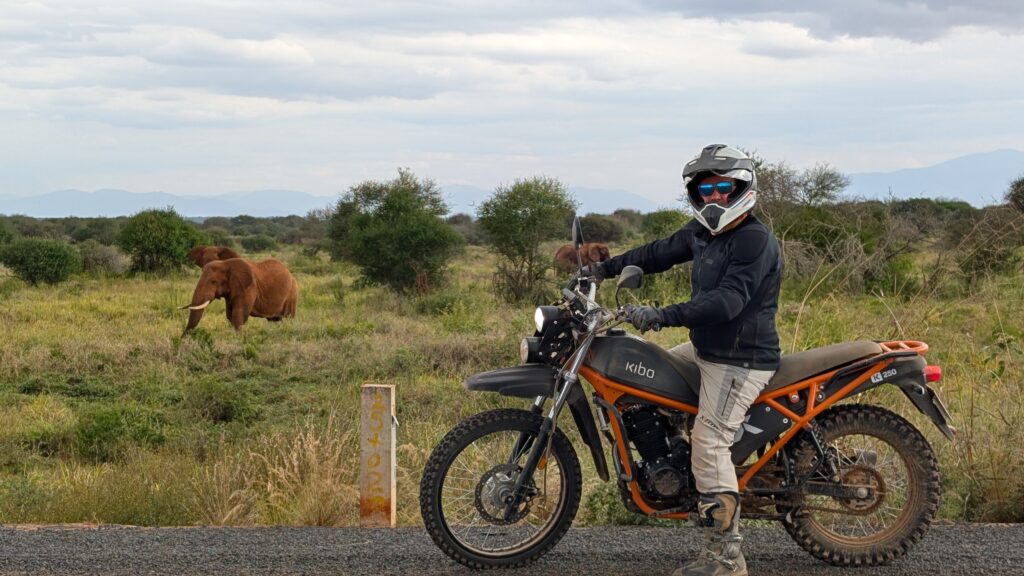
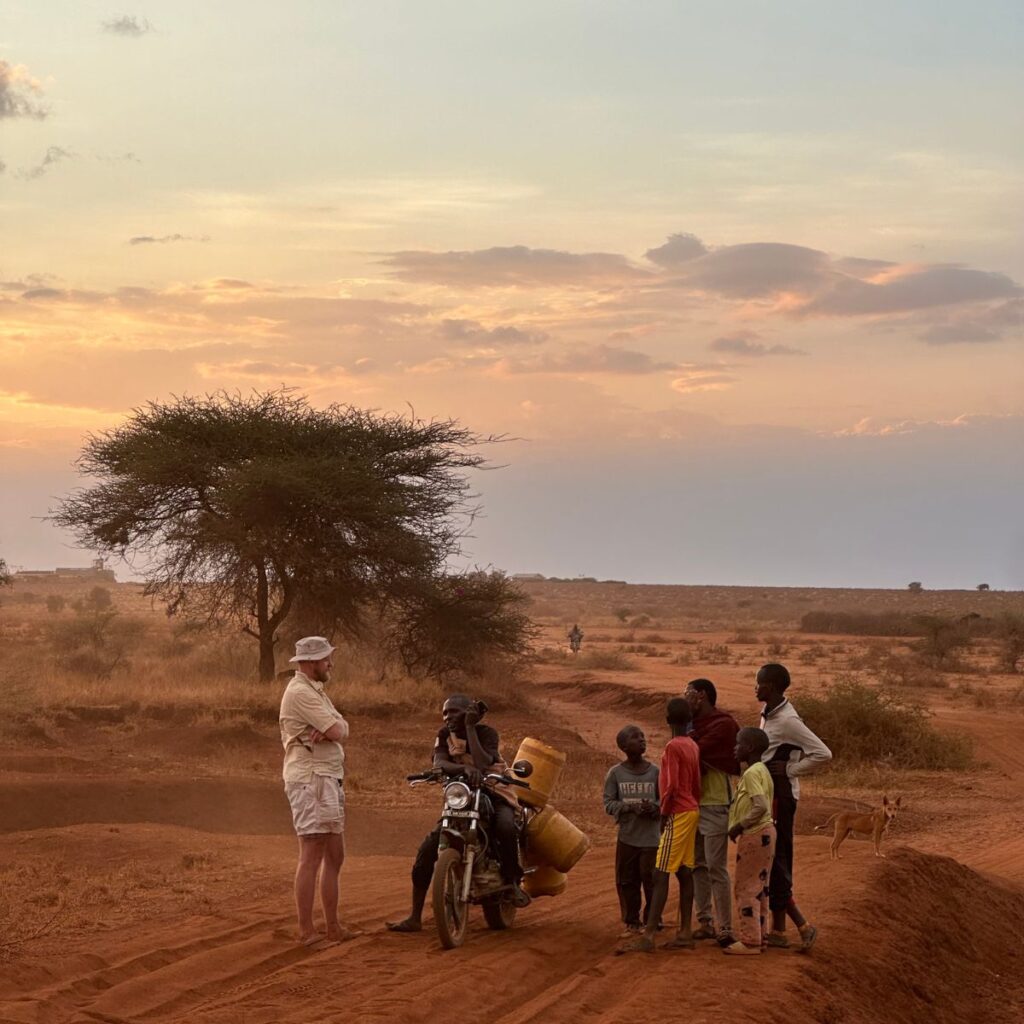
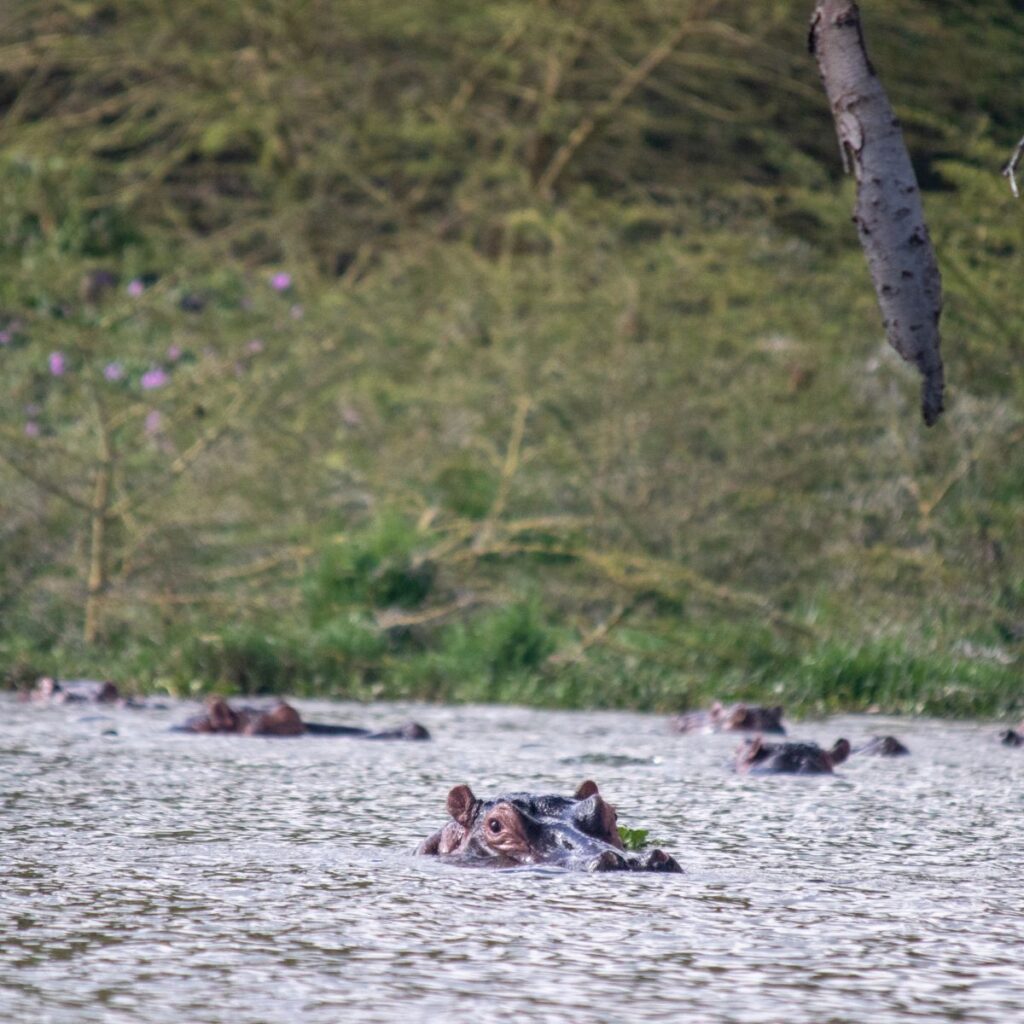
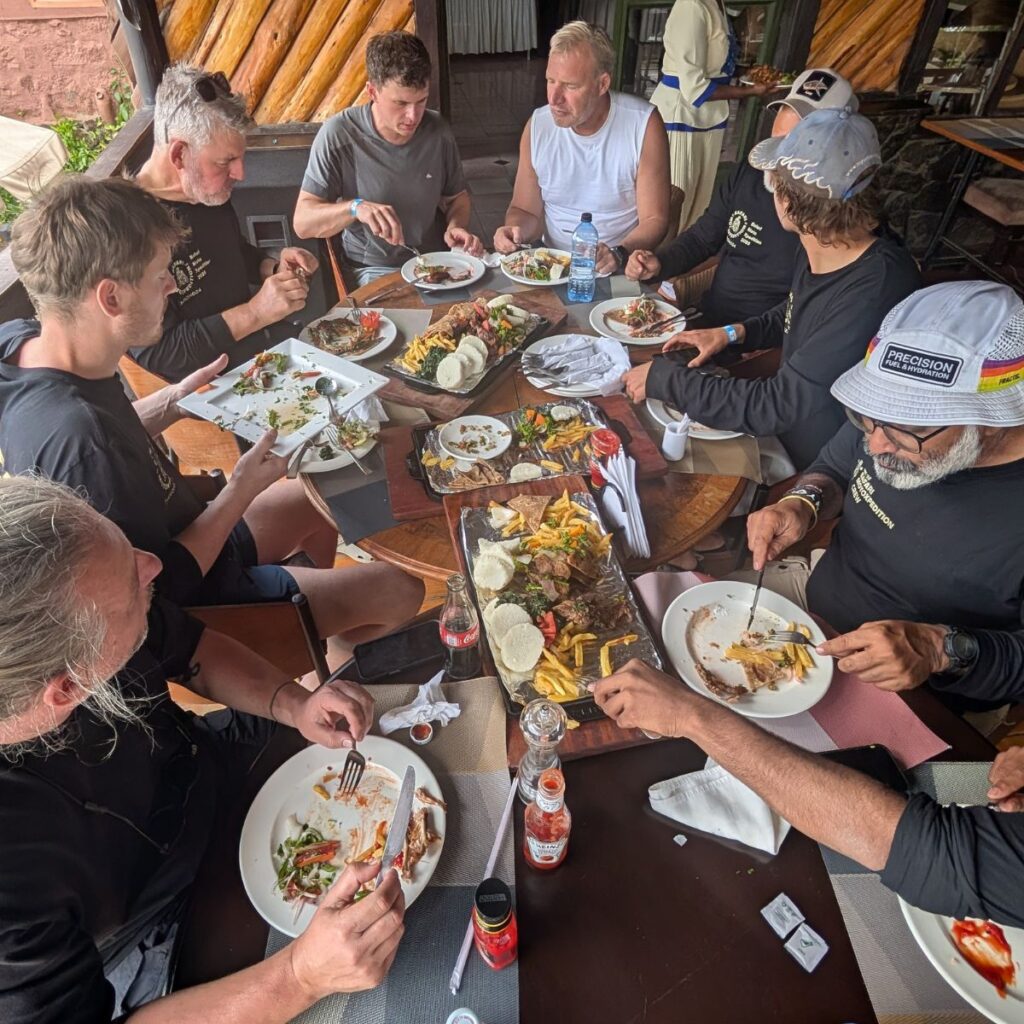
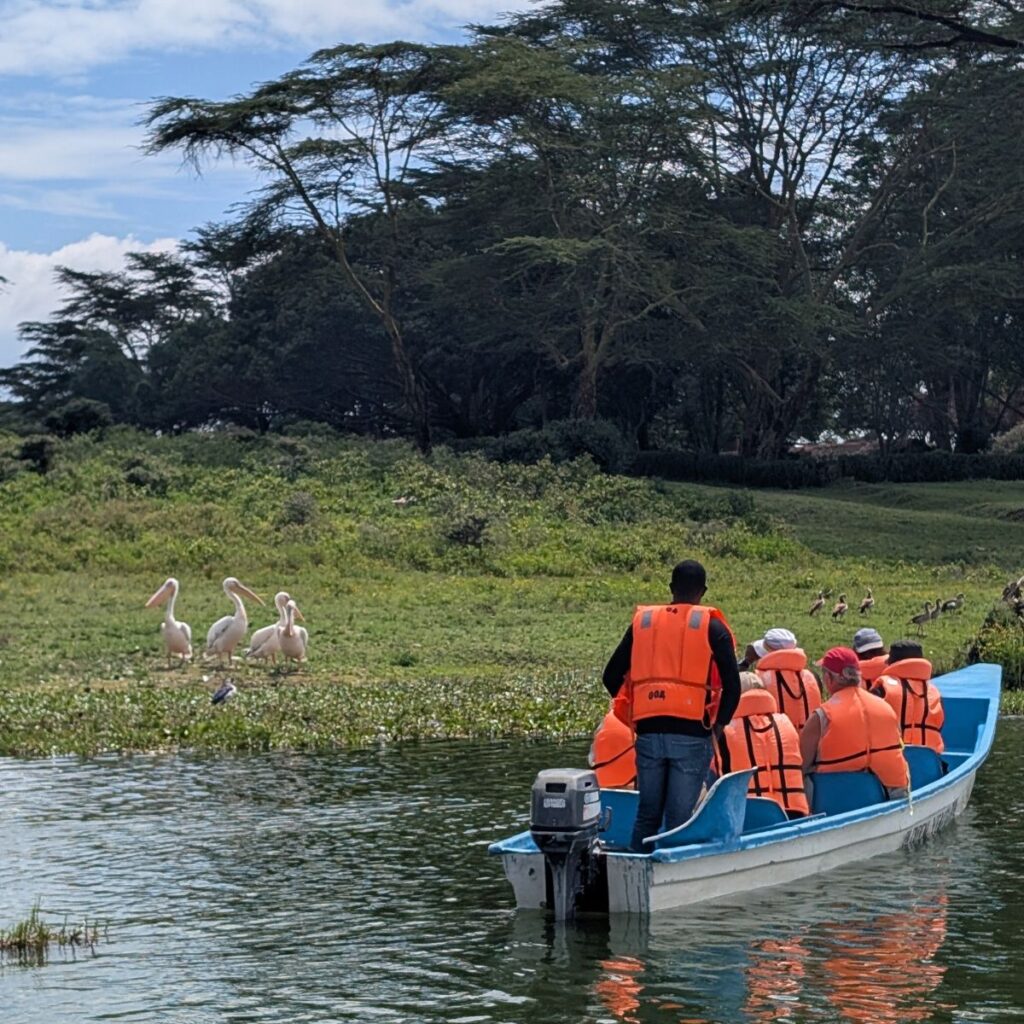
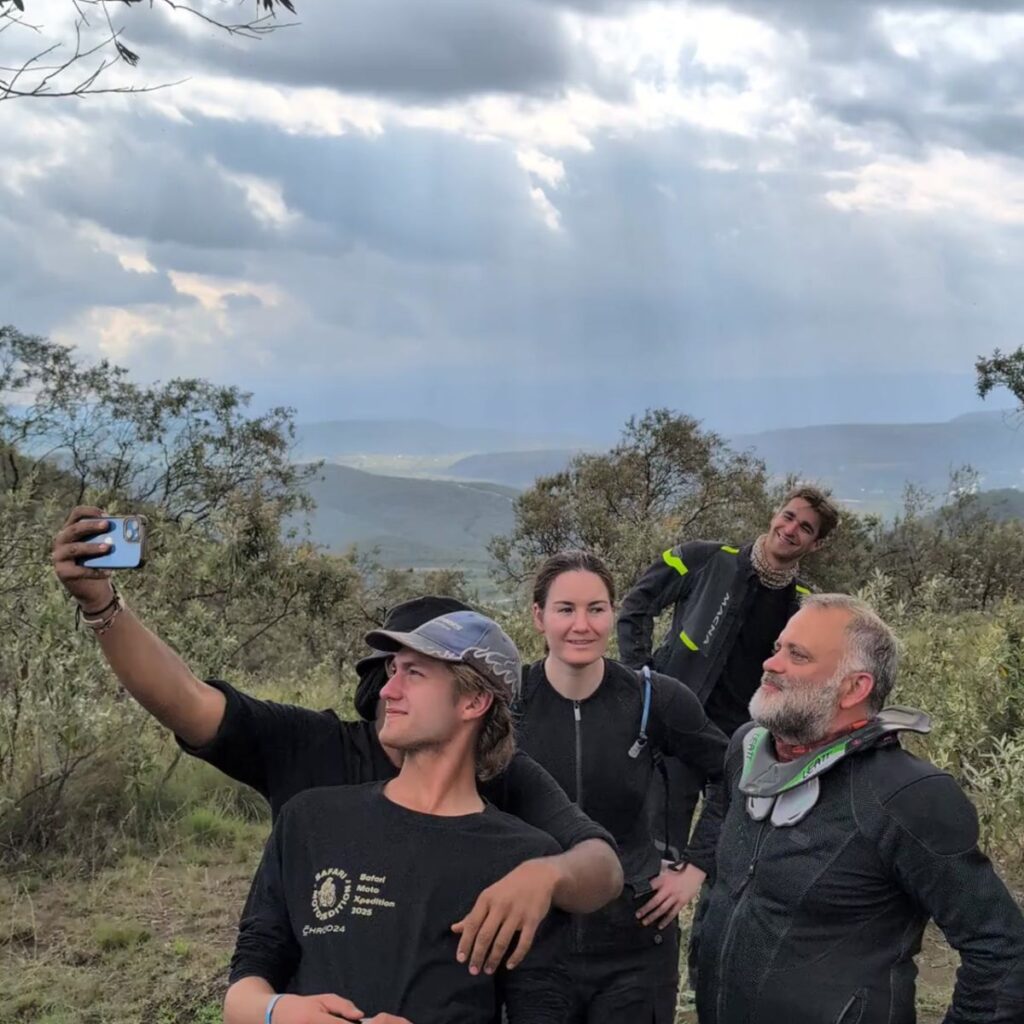
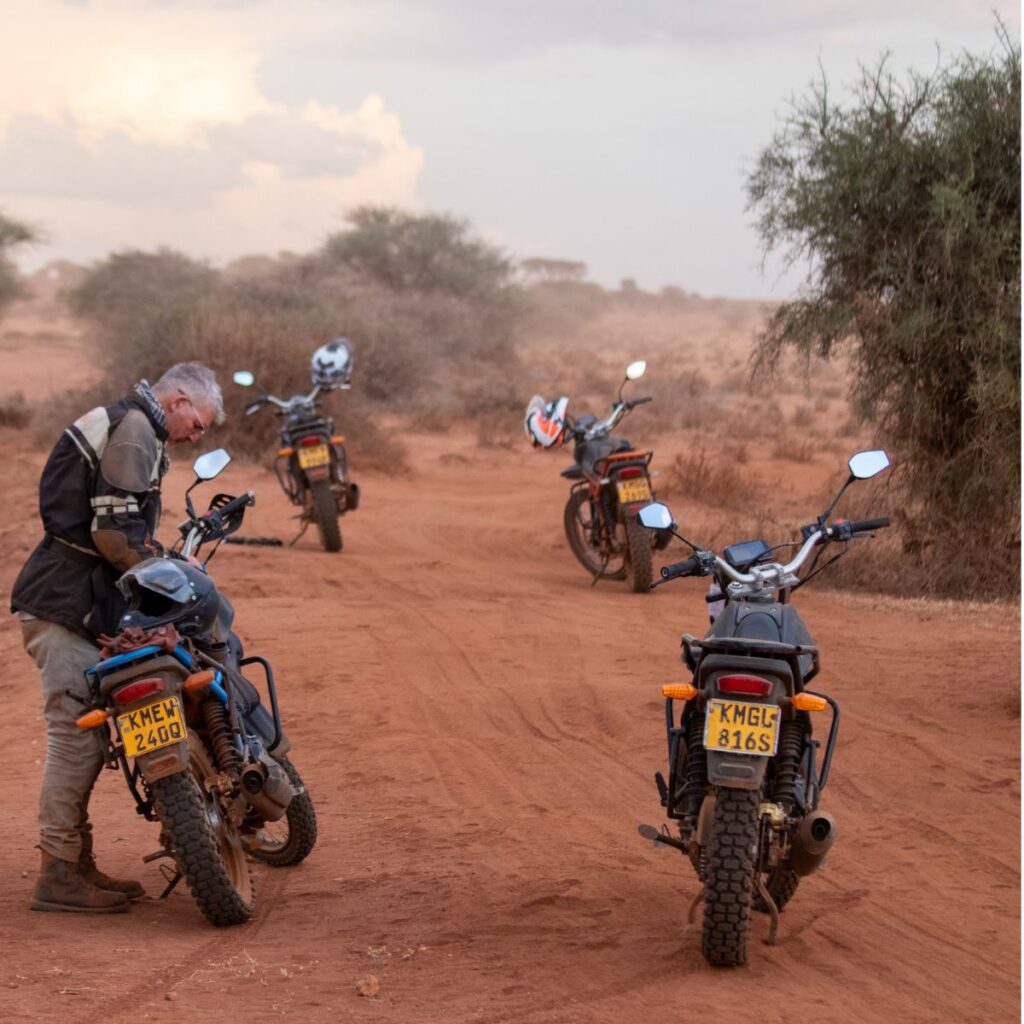
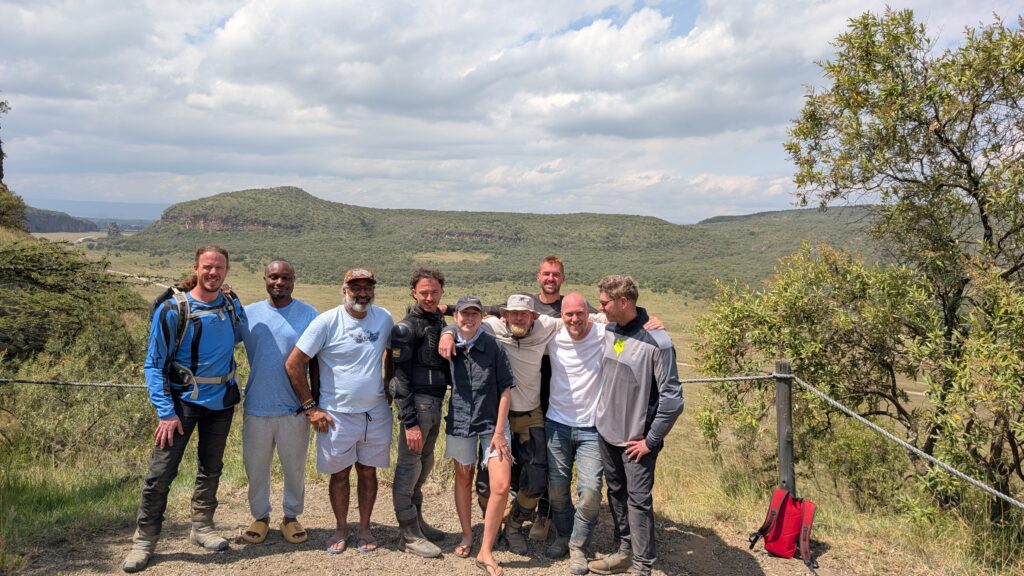
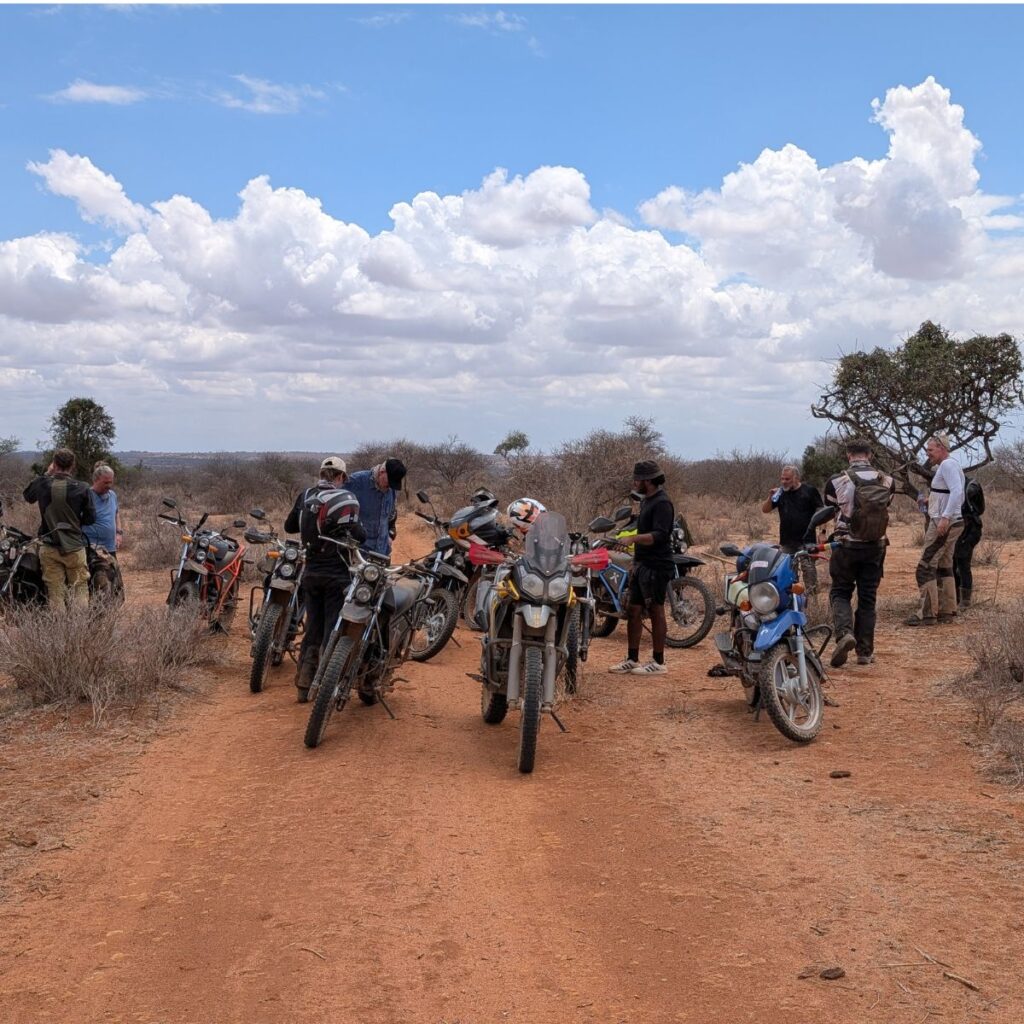
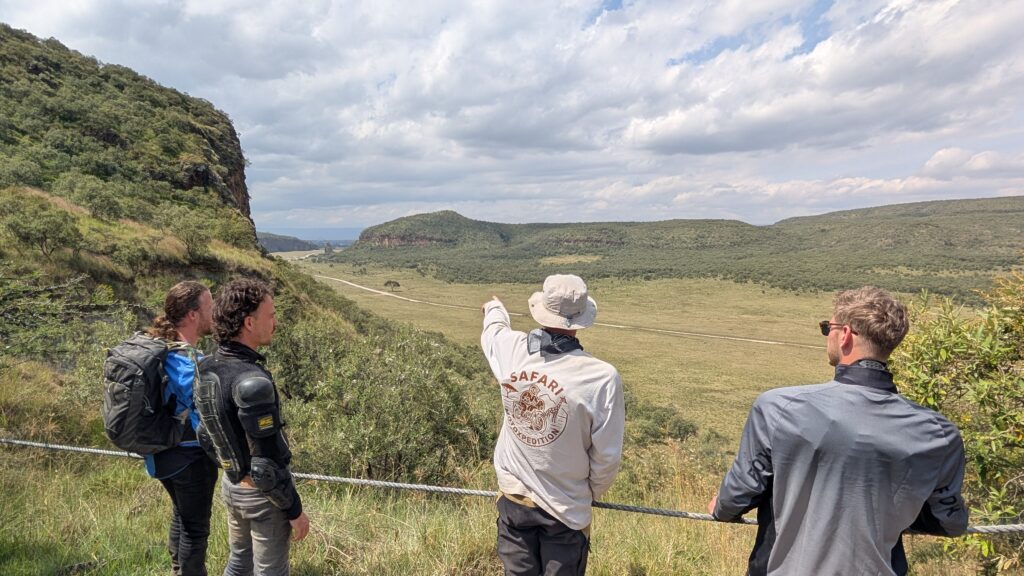
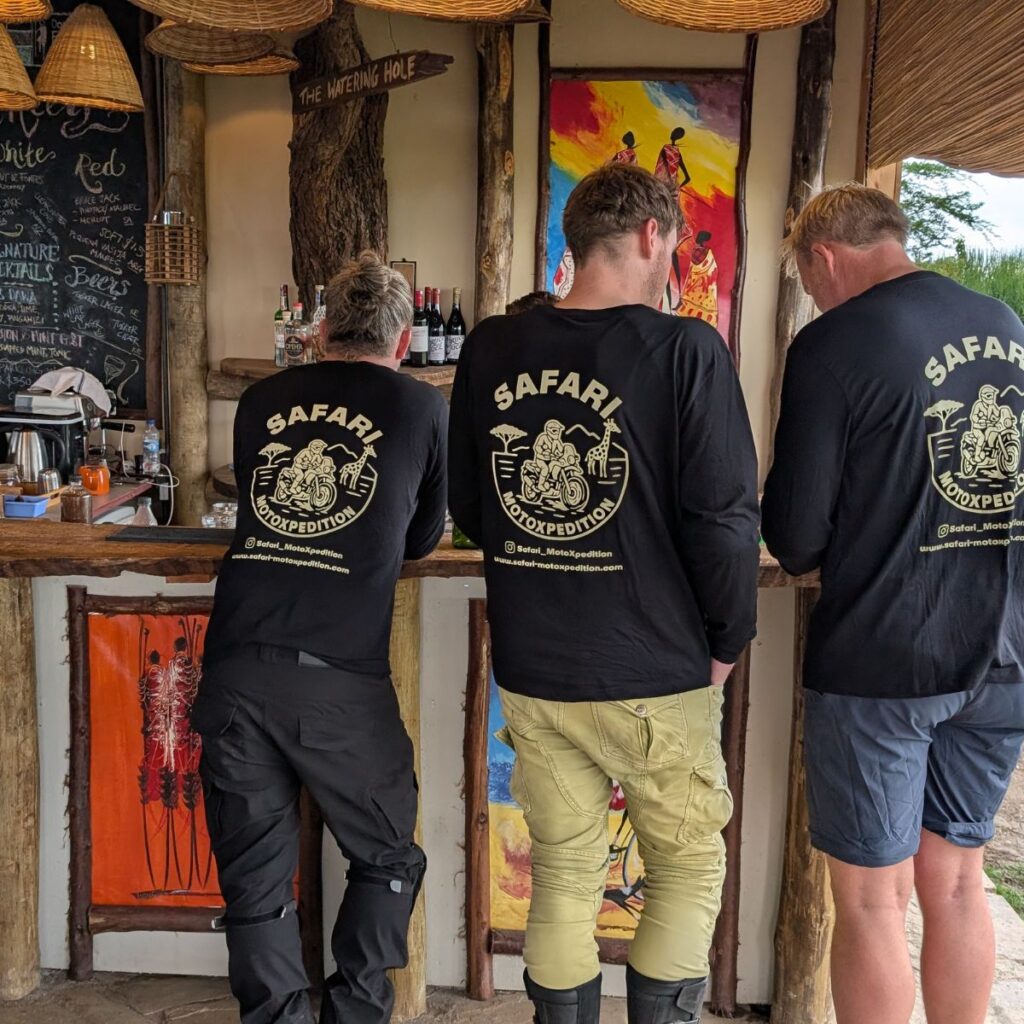
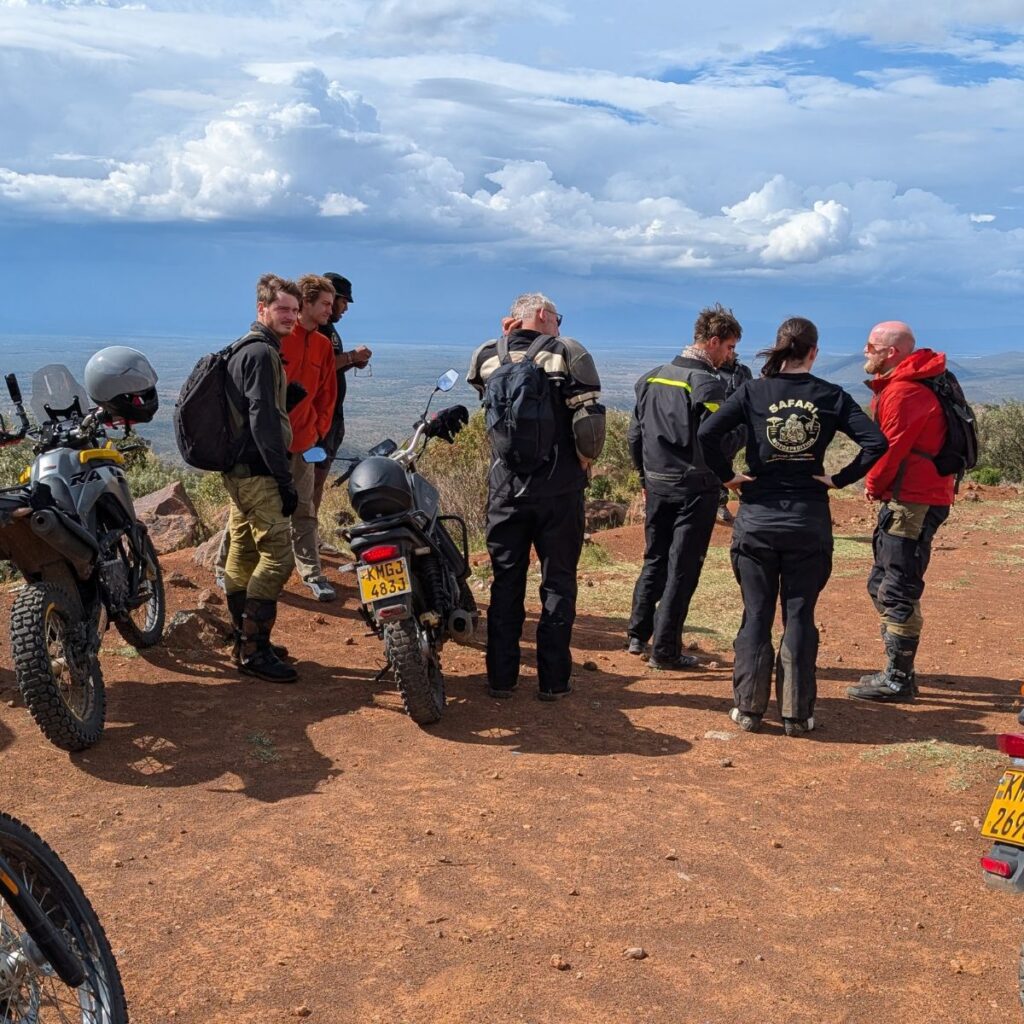
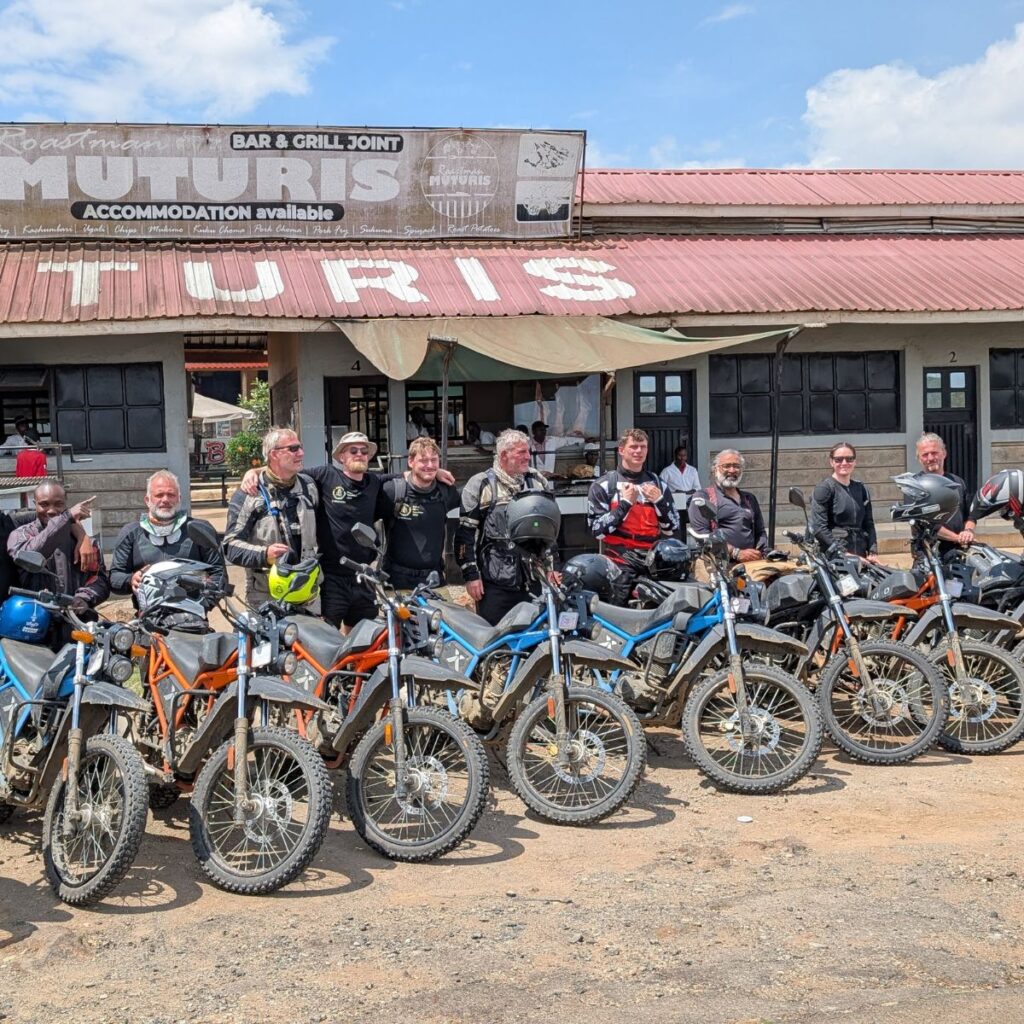
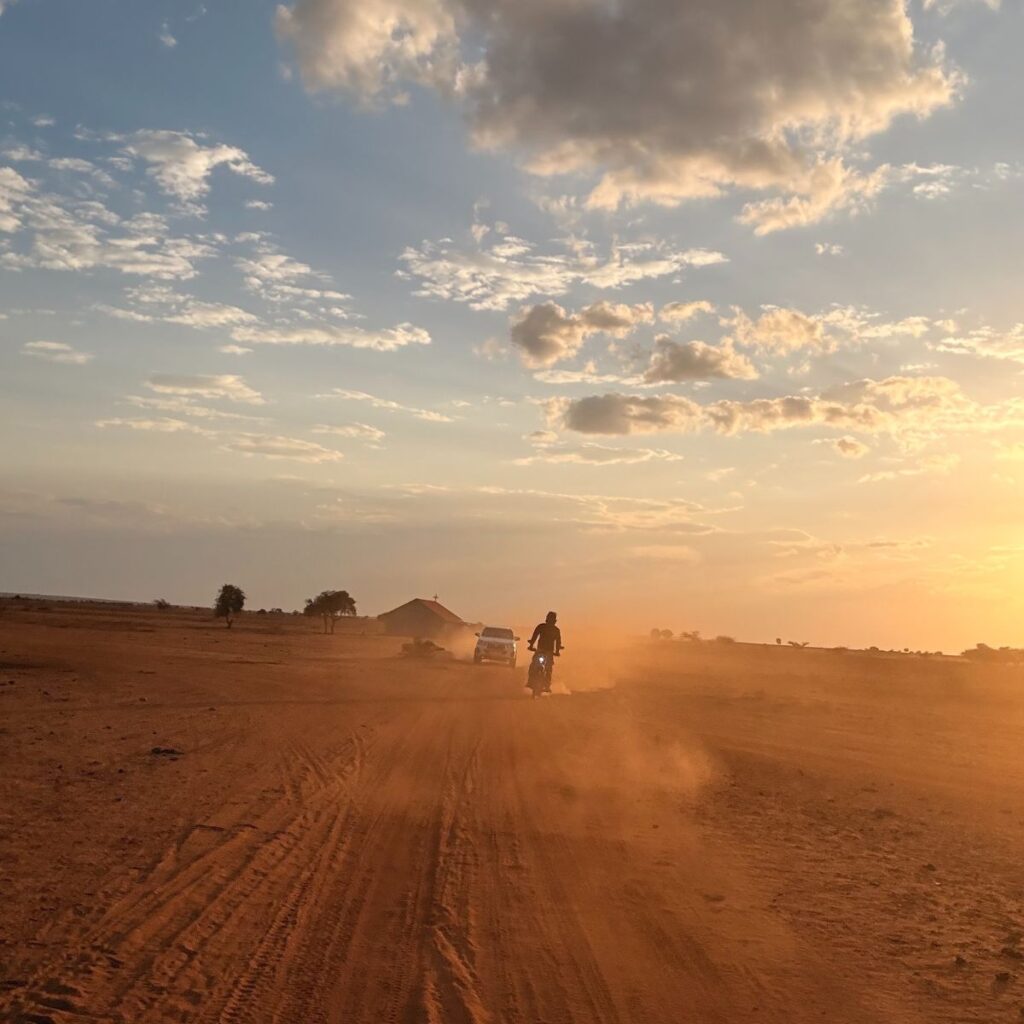
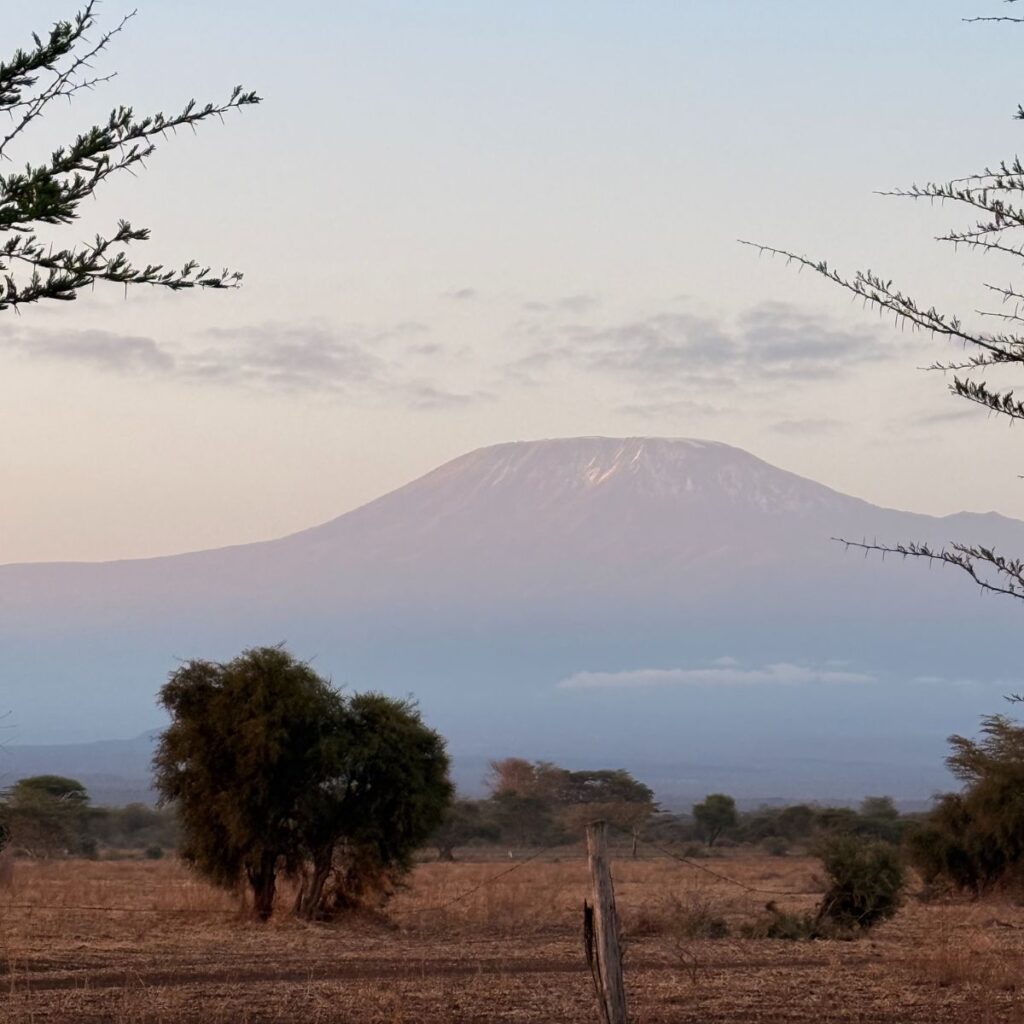
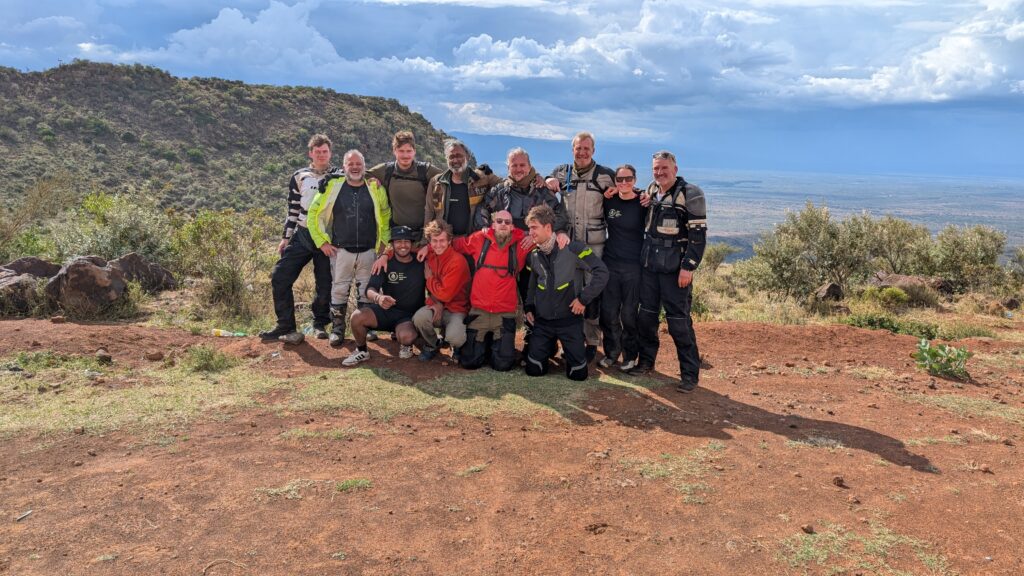
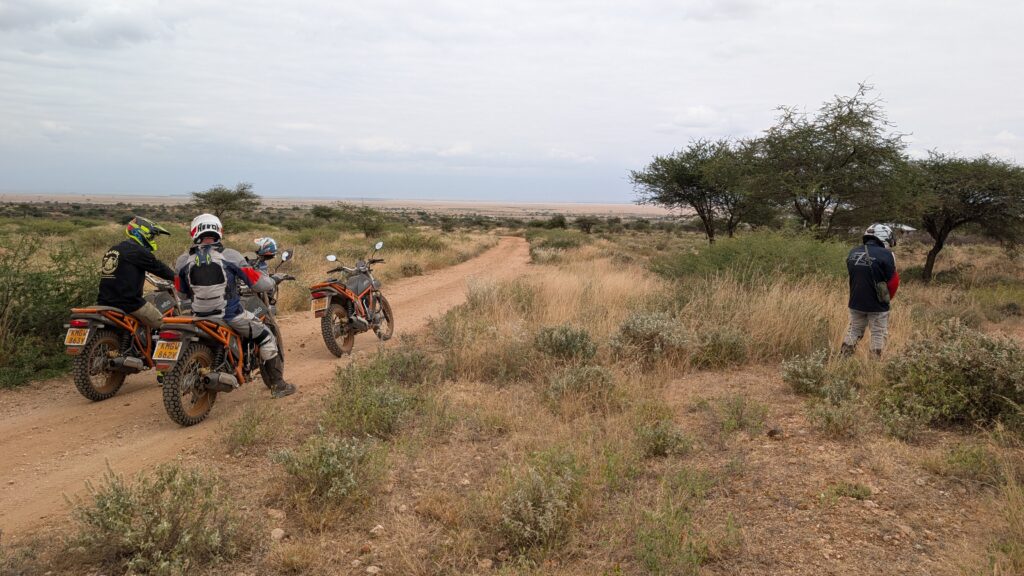
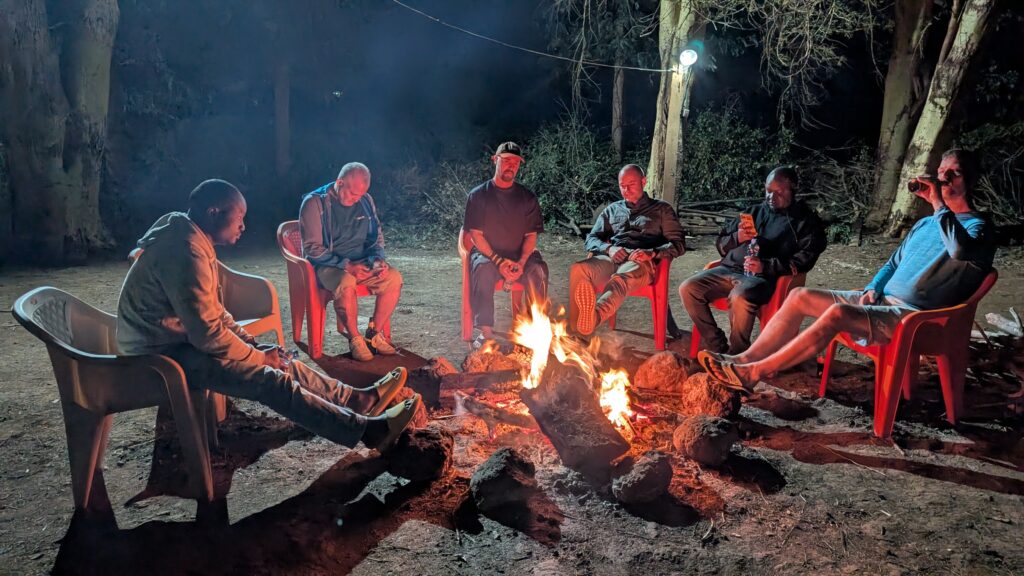
Safari MotoXpedition is a passion project built by riders who live in Kenya and know it intimately. We do not run tours full time, and that is exactly what makes these expeditions special.
Because we keep it small and personal, we can take the time to design exceptional routes, access places few riders ever reach, and keep the pace human. Small groups, shared days on the trail and relaxed evenings around the fire. Adventure the way it should feel.
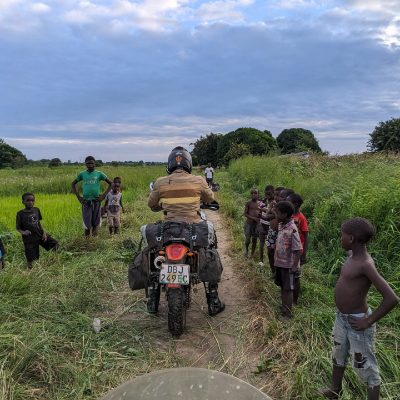
Kenya-based rider and route scout. Knows the trails, the shortcuts, and exactly where to stop for the best view.
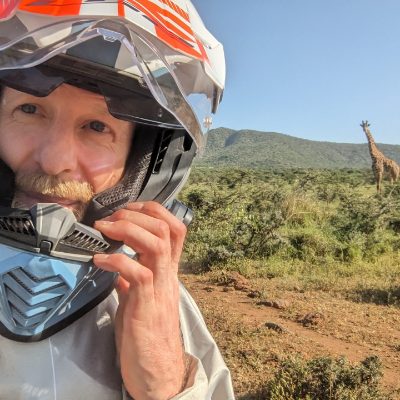
Co-founder and trip organiser. Handles the logistics and the details so you can just get on the bike and ride.
Supporters

Follow Our Adventures
Spots are limited. And if our scheduled expeditions don't fit your plans, talk to us. We design custom trips too and can arrange the lot. Our Nairobi to Coast riders finished their tour with a kitesurf week on the Indian Ocean, put together from scratch. Tell us what you have in mind.
Every rider who has joined us so far rated the trip intermediate, and most of them arrived quietly wondering if they were up to it. They all were. This is not racing. On the tricky stuff we average around 30 km/h, because the whole point is the landscape and the wildlife in front of you, not the clock. If you can handle a bike on gravel and you are happy getting dirty, you will have the time of your life. We watch people improve day by day. By day three riders are doing things they would not have attempted on day one.
We start with a test ride. The first half day is all about getting you comfortable. You get on the Kibo, we walk you through the bike, show you a few techniques for sand, gravel and the loose stuff, and you find your feet before we head out for real. Nobody gets thrown in at the deep end. We ride together, at a pace that suits the group, and we are right there with you the whole way.
Easy. Either Raj or Hidde drives the support car, so we swap. One of us takes your bike and you ride along on four wheels for the day, camera out, feet up. It works for one rider at a time rather than the whole group at once. Just tell us the evening before or over breakfast.
Between 130 km and 220 km, depending on the stage. Every route has a rhythm to it. Day one is usually one of the longer ones, then somewhere midway there is a lighter day with a pool or a boat safari to unwind. The final day can stretch out again, but you finish either with your boots in the Indian Ocean or back at camp with a proper dinner and cold drinks waiting. There is time to stop, take photos, watch elephants in the distance and have lunch in the middle of nowhere. That is half the trip.
Around 80% off road. Only about 20% is tarmac and that is mostly there to link the good stuff together. Dust and fesh fesh, rocky tracks, sand, wide open plains, river beds and the soft soils of the Rift Valley. This is an expedition rather than a tour, so you will finish most days either caked in dust or splattered in mud, grinning about it. It gets hot. We ride outside the rainy season, but this is East Africa and a downpour can still find you. Those are the days people talk about for years.
Reasonable shape is plenty. No marathon fitness required. It is the heat, the dust and several days back to back that ask something of you, not any single hard section. If you can ride a full weekend at home without falling apart, you are ready.
This one is personal, so here is what we ride in. Hidde wears MX gear: body armour, light motorbike trousers, knee and shin protectors, high motorbike boots and an enduro helmet with a peak and a normal visor. Raj rides in a regular motorbike jacket and trousers, same boots, same helmet style. Some riders swear by goggles, others try them once and decide they can live without. It is not a race, but a bit of protection is always smart, and anything you do not fancy wearing can travel in the support car. If you take one bit of advice from us, wear high motorbike boots. Bring a rain jacket too, just in case.
Light, breathable clothing for the heat and one warm layer for the highlands and the early mornings. A dry bag for the kit that travels in the support car, plus a waterproof pouch for your phone so your camera roll survives whatever the sky decides to do. Sunglasses, sunscreen and a buff for the dust. Everything else lives on the bike or in the truck. You get a full packing list once you book.
We ride the Kibo K250, designed in the Netherlands and built in Kenya for East African terrain. The 250 is a deliberate choice. Light enough to pick up on your own, forgiving when the back end steps out, with plenty of power for everything the route asks of it. It is the bike that lets a group with mixed abilities ride together and enjoy the same day. Want more punch? An upgrade to a Voge 300cc is available on request.
A doctor and a mechanic ride with the group on every expedition, and the support vehicle follows all day with spares, tools and first aid. Raj has scouted every route personally and knows exactly what is around the next corner. We ride as a group, at the group's pace, and we brief you properly before every stage. Travel and medical insurance is required.
The best part, according to most riders. You roll in dusty, get a shower and a cold beer, then it is good food and everyone talking over each other about what just happened. Small groups mean you actually get to know the people you are riding with. Plenty of riders have gone home with new mates and signed up for the next one before the dust had settled.
Lodges, all meals, fuel, the bike, airport pickup and dropoff, and a support vehicle for your luggage. Not included: alcoholic drinks, snacks between meals and national park entrance fees.
Yes. They travel in the support vehicle and see the same landscapes, sleep in the same lodges and eat the same meals. Get in touch for pricing.
Most nationalities apply for an eTA online before travel. It takes two to three days, so do not leave it to the last minute. Full guidance comes with your pre-trip pack.